12-Day Korea Private Tour Planning Example: Seoul, Jeonju, Gyeongju, Busan and Jeju

Updated: Jul 28
A sample private Korea route designed around the Lotus Lantern Festival, Buddha’s Birthday, traditional culture, historic cities, coastal scenery, and Jeju Island.
When I prepare a private Korea itinerary, I do not begin only with a list of famous places.
I first look at the reason for the trip.
Some travelers visit Korea for the first time and want to see the main highlights. Some are more interested in food, nature, shopping, photography, or family time. And sometimes, the trip is built around a special event or a meaningful personal occasion.
This planning example is based on a common type of request: travelers planning a private Korea journey of around 10 to 12 days, with Buddha’s Birthday and the Lotus Lantern Festival as the main focus.
The details below are simplified as a planning example. Personal details, exact dates, and pricing are not included.
In this case, a 12-day Korea tour can connect Seoul, Jeonju, Gyeongju, Busan, Jeju, and nearby regions into one balanced journey with culture, history, food, scenery, and local experiences.

The Original Travel Request
This planning example started from a clear travel idea.
The travelers were planning a meaningful private Korea journey of around 10 to 12 days, with Buddha’s Birthday and the Lotus Lantern Festival as the main focus. They especially wanted to experience the lantern parade, temple atmosphere, and seasonal cultural feeling during this period.
Their draft route included Seoul, Jeonju, Gyeongju, Busan, and Jeju Island.
They were interested in palace visits, the Royal Guard Ceremony, evening walks, Korean calligraphy, a possible K-pop concert, Jeonju food and hanok culture, Gyeongju’s royal tombs and temples, Busan’s coastal temple scenery, and Jeju’s volcanic landscapes.
From a planning point of view, this was a very good starting point.
The travelers already had meaningful ideas, but the route still needed to be arranged carefully around festival timing, travel distance, domestic flights, regional order, and daily pace.
That is where private itinerary planning becomes important.
The Main Planning Idea
For a trip around the Lotus Lantern Festival, Seoul should usually come first.
The main parade and festival atmosphere are key reasons for visiting, so the itinerary needs to be built around those dates. After the Seoul festival experience, the route can continue naturally toward Jeonju, Gyeongju, Busan, and Jeju Island.
For this sample planning example, the route is:
Seoul → Jeonju → Gyeongju → Busan → Jeju Island → Seoul
This route works well because each destination has a different role.
Seoul gives the first impression of Korea and the festival atmosphere.Jeonju adds traditional streets, food, and a slower cultural feeling.Gyeongju brings ancient history, temples, and Silla heritage.Busan gives the trip coastal scenery and a different city mood.Jeju Island adds nature, volcanic landscapes, and a relaxed ending.
For a 12-day private journey, this gives the trip a good rhythm.
Seoul: Festival Atmosphere and First Impressions
Seoul is usually the best place to begin.
For this type of trip, Seoul is not only a capital city stop. It is the place where travelers can experience the Lotus Lantern Festival atmosphere, palace areas, traditional streets, temples, evening walks, and modern city life.
A possible Seoul day may include Gyeongbokgung Palace, the Royal Guard Ceremony, Insadong, Jogyesa Temple, a hanbok experience, or the Lotus Lantern Parade in the evening.
But the day should not be packed too tightly.
When there is a festival or evening event, travelers need enough time to enjoy the atmosphere, rest, and move comfortably. A good itinerary should leave room for the experience itself, not only for the sightseeing list.
Jeonju: Traditional Culture and Local Food
After Seoul, Jeonju gives the trip a softer rhythm.
Jeonju is known for hanok streets, local food, tea houses, small cafés, and a more relaxed traditional atmosphere. For many first-time visitors, it feels warm, walkable, and very Korean.
A Jeonju stay may include Jeonju Hanok Village, bibimbap tasting, Omokdae Pavilion, Jeondong Cathedral, local snacks, or a makgeolli-style evening food experience.
Jeonju should not be treated as just a quick photo stop.
It feels better when travelers have enough time to walk, eat, rest, and enjoy the old-town atmosphere.

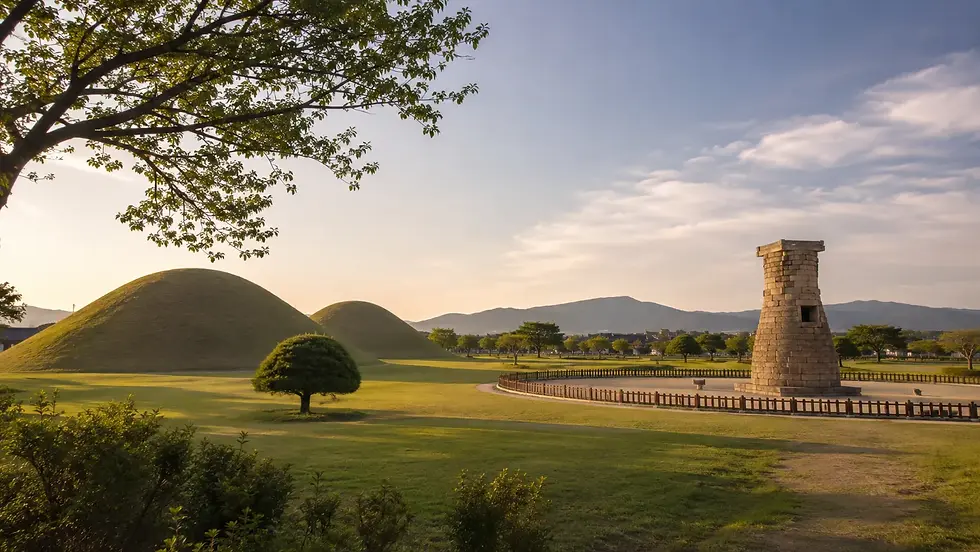
Gyeongju: History, Temples and Silla HeritageFrom Jeonju, the route can continue to Gyeongju.
Gyeongju is one of Korea’s most important historic cities. It was the capital of the Silla Kingdom, and it gives the trip a deeper cultural layer.
Possible highlights include Bulguksa Temple, Seokguram Grotto, Daereungwon Tomb Complex, Cheomseongdae Observatory, Donggung Palace and Wolji Pond, Woljeonggyo Bridge, and Hwangridan-gil.
When I plan Gyeongju, I try not to make the day feel like a checklist.
The city is best enjoyed with some breathing room. It is a place for walking, looking around, taking photos, and feeling the atmosphere.
During the Buddha’s Birthday season, temple visits can also feel more meaningful, especially if lantern decorations are in place.

Busan: Coastal City Mood and Buddha’s Birthday Temple Visit
After Gyeongju, Busan gives the route a refreshing change.
Busan is also a city, but it feels very different from Seoul. The sea is close, the views are more open, and the atmosphere is more coastal and relaxed.
A Busan route may include Songdo Marine Cable Car, BIFF Square, Nampo-dong, Gwangalli, Haeundae, or coastal viewpoints.
For this sample itinerary, Busan also works well for a Buddha’s Birthday temple visit.
Many travelers think the festival period should only be experienced in Seoul, but a regional temple visit can be very special too. Haedong Yonggungsa Temple, with its seaside location, can be a meaningful stop during this period if the timing works well.
This gives the Busan stay a nice balance: temple culture, coastal scenery, and city atmosphere.
Jeju Island: Nature and a Relaxed Ending
From Busan, most travelers continue to Jeju Island by domestic flight.
For a 12-day itinerary, this is usually the most practical option. It saves time and keeps the journey comfortable, especially when travelers have luggage.
Jeju should not be planned too tightly.
The island looks simple on a map, but travel times can be longer than expected. Weather and hotel location also matter a lot.
Depending on the pace, Jeju may include Seongsan Ilchulbong, Seopjikoji, Sangumburi Crater, lava cave areas, Hallasan viewpoints, Jusangjeolli Cliff, Jeongbang Falls, Soesokkak Estuary, Hyeopjae Beach, or O’sulloc Tea Museum.
Some travelers want more hiking.Some prefer coastal views and easier walks.Some want markets, cafés, and scenic drives.
A good Jeju itinerary should match the travelers, not just the map.

A Simple 12-Day Route Flow
The following route flow is intentionally kept simple.
When we prepare an actual proposal for travelers, the detailed places, daily order, timing, hotel-based movement, and optional experiences are arranged more carefully according to the group’s travel dates, hotel locations, pace, and personal interests.
A comfortable route may look like this:
Day 1: Arrival in Seoul
- Arrival, hotel check-in, rest, and light evening option.
Day 2: Seoul and Lotus Lantern Parade
- Traditional Seoul highlights, temple area, and evening parade.
Day 3: Seoul → Jeonju
- Move to Jeonju, hanok village, local food, and evening atmosphere.
Day 4: Jeonju → Gyeongju
- Morning in Jeonju, transfer to Gyeongju, evening historic scenery.
Day 5: Gyeongju
- Historic sites, temples, royal tombs, and traditional areas.
Day 6: Gyeongju → Busan
- Move to Busan, coastal highlights, markets, and evening view.
Day 7: Busan
- Buddha’s Birthday temple visit and Busan coastal route.
Day 8: Busan → Jeju Island
- Flight to Jeju and light island sightseeing.
Day 9: Jeju Island
- Eastern Jeju nature, volcanic scenery, and coastal stops.
Day 10: Jeju Island
- Waterfalls, cliffs, scenic roads, and relaxed exploration.
Day 11: Jeju Island → Seoul
- Light Jeju morning, flight to Seoul, final evening option.
Day 12: Seoul / Departure
- Light sightseeing or shopping depending on flight time, then departure.
This is only a planning framework.
The final version should always be adjusted according to festival schedules, hotel locations, flight times, weather, walking comfort, and the travelers’ personal interests.
At K-STAR TRAVEL, we do not think a good private itinerary should simply be copied from a fixed sample.
It should be adjusted for the travelers.
About K-pop Concerts and Special Events
Some travelers also ask whether a K-pop concert or special event can be included during the trip.
This can sometimes be possible, but it should be reviewed later, once the actual event schedule and ticket conditions are clearer.
Concert schedules, ticket availability, venue location, age restrictions, and travel timing all matter.
For this reason, I usually treat K-pop concerts as a flexible optional element, not as a fixed part of the itinerary from the beginning.
If the schedule works well, it can become a very special addition to the trip. If not, the route can still include K-pop-related areas, shopping, cafés, or entertainment districts in Seoul.
How K-STAR TRAVEL Looks at This Type of Request
At K-STAR TRAVEL, we try to plan private Korea tours from the traveler’s point of view.
A route is not only about famous places.
It is also about how the days connect.
For this type of request, we would consider festival dates, hotel locations, travel distance, domestic flights, walking level, evening views, temple visits, luggage movement, weather, and the overall pace of the journey.
This is why we often begin with a general route and budget range first.
Once the direction feels comfortable, the detailed itinerary can be adjusted step by step.
That process helps avoid over-planning too early, especially when festival schedules, flights, hotels, and special events are not fully confirmed yet.
Final Thought
A private Korea tour should not feel like a fixed package that simply moves from one famous place to another.
For travelers planning around Buddha’s Birthday and the Lotus Lantern Festival, the route should leave enough space for the festival atmosphere, while also showing more of Korea beyond Seoul.
Seoul, Jeonju, Gyeongju, Busan, and Jeju can work very well together when the timing is planned carefully.
It is a route that connects celebration, tradition, history, coast, and nature.
And when arranged with the right pace, it can become more than a sightseeing trip.
It can become a meaningful Korea journey.